
• About Us
  • Home
Monday, September 7, 2026
Shaka Momodu
  • Right Of Reply
  • News
  • Politics
  • Business
  • OpEds
  • Sports
No Result
View All Result
  • Right Of Reply
  • News
  • Politics
  • Business
  • OpEds
  • Sports
No Result
View All Result
Shaka Momodu
Home Business

Dangote Refinery Drives MEMAN’s Shift to Local Petrol Supply

by News Reporters
2 years ago
in Business, News
0 0
0
Buhari Inaugurates Dangote Refinery
Share on FacebookShare on Twitter

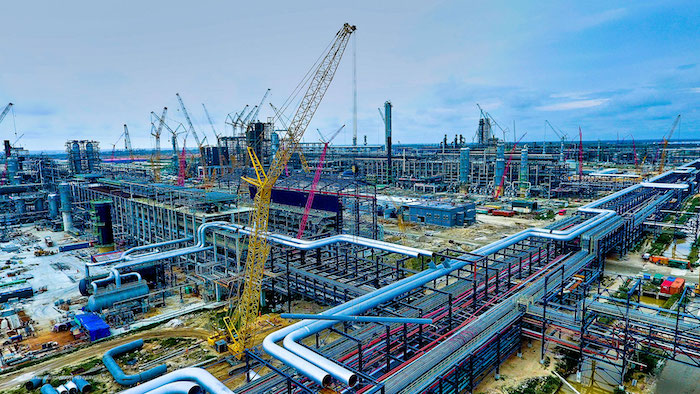
The Major Energy Marketers Association of Nigeria (MEMAN) has shifted its petrol sourcing strategy, securing 148 million litres from the Dangote Refinery between September 16 and November 24, 2024. This marks an average daily supply of 2 million litres, showcasing the refinery’s pivotal role in Nigeria’s downstream sector.


Why Local Sourcing is Winning

MEMAN CEO Clement Isong, represented by Ogechi Nkwoji, attributed the reliance on Dangote Refinery to its competitive pricing and streamlined supply chain. This shift also aligns with a federal government directive allowing independent marketers to bypass the NNPCL, fostering market efficiency and transparency.


Key Petrol Pricing Dynamics

  • Spot Price: ₦976.07/litre (October 10–November 22, 2024).
  • Average Price: ₦971.14/litre.
  • Cost per Metric Tonne: ₦708,390, based on an exchange rate of ₦1,665.99/USD.

Major Cost Drivers

  1. Finance Charges: 32% per annum.
  2. Freight Costs: Ship-to-Ship (STS) operations with a 10-day delivery timeline.
  3. Port Fees: NPA berthage and cargo handling fees, along with NIMASA and NMDPRA levies.
  4. Miscellaneous Costs: Capped at ₦2.00/litre.

Impact on Nigeria’s Energy Sector

The move to source locally from Dangote Refinery signals a strategic shift towards self-reliance in petrol supply. Despite challenges like fluctuating supply volumes, high finance costs, and regulatory charges, the transition highlights a pathway to stabilizing Nigeria’s energy landscape through local production and market-driven pricing models.

This evolution underscores the importance of policy reforms and private sector collaboration in driving efficiency and securing Nigeria’s energy future.

Previous Post

Senate Pledges Legislative Action on N1.6 Trillion Power Sector Debt

Next Post

Why Kano Assembly Rejected The Tax Reform Bill, Cites Economic Inequality

Next Post
Why Kano Assembly Rejected The Tax Reform Bill, Cites Economic Inequality

Why Kano Assembly Rejected The Tax Reform Bill, Cites Economic Inequality

Leave a Reply Cancel reply

Your email address will not be published. Required fields are marked *

RSS Some News Around

  • 2027: INEC Threatens ₦10m Fine, Jail Term for Abusive Campaign
  • Babachir, others Defend Musa as El-Rufai Remarks Generate Controversy 
  • OPINION | Nigerians and the Yoke of Suffering, By Monday Philips Ekpe
  • Emirates Unveils World’s First Electric Premium Economy Seat 
  • 2027: Tinubu Trying Hard to Rig Election, US Firm Alleges
  • Putin Orders Halt in Strikes on Kyiv for Trump Envoys’ Visit
  • Plateau Shuts Schools over Diphtheria Threat
  • Peter Obi Dropped Money in Ekiti, Lere Olayinka Dismisses ‘I Don’t Give Shishi’ Claims
  • JAMB Releases Underage UTME Results, Clarifies Admission Conditions
  • FULL LIST: ADC Unveils Governorship Candidates in 28 States
  • About Us
  • Home

© 2022 THIS REPUBLIC By Shaka Momodu

Welcome Back!

Login to your account below

Forgotten Password?

Retrieve your password

Please enter your username or email address to reset your password.

Log In
No Result
View All Result
  • Right Of Reply
  • News
  • Politics
  • Business
  • OpEds
  • Sports

© 2022 THIS REPUBLIC By Shaka Momodu

Go to mobile version