
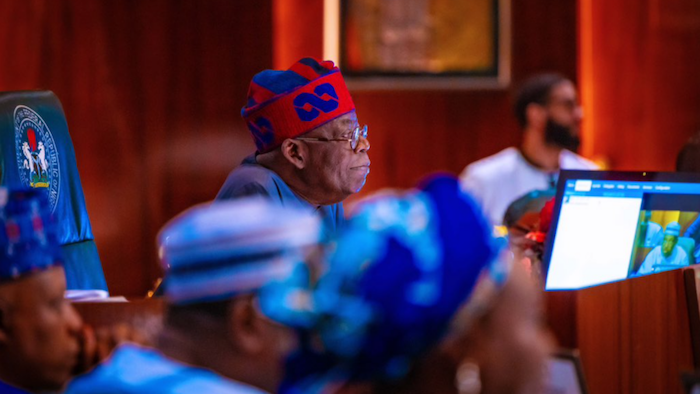
Nigeria’s Minister of Works, Dave Umahi, announced that President Bola Ahmed Tinubu has directed the immediate commencement of sections three and four of the Lagos-Calabar coastal highway project. This directive signifies a significant infrastructure update for Nigeria, with construction starting in Cross River and Akwa Ibom states.
Project Details and Sections
Umahi explained that the federal government is finalizing the procurement process for the project. He emphasized that the decision to start sections three and four from Calabar and Akwa Ibom would ensure balanced development. Governor Umahi noted that while work continues on the Lagos end, simultaneous efforts in the southern sections would expedite the project’s overall completion.
Subsequent sections, five and six, will begin in Port Harcourt and Bayelsa. Umahi highlighted the complexity and ambition of the project, noting that section one, which is 47.47 kilometers long, has already been redesigned and awarded. This section ends at Lekki and includes significant realignment to protect critical infrastructure and ancestral lands.
Alignment Changes and Environmental Considerations
The highway’s alignment has been adjusted to avoid critical infrastructure like the 2Africa submarine cable and a 50-megawatt power plant in Lagos State. These changes ensure the protection of national security installations and environmental sustainability. The redesigned section one will end at Eleko in Lekki, following directives to ensure a human-centric approach.
Economic and Social Implications
The 700-kilometer coastal road aims to connect Lagos and Calabar, passing through major cities and enhancing economic integration. This infrastructure will also foster tourism, with plans for tourism centers along the corridor. The project promises to bring economic prosperity to the regions it traverses.
Challenges and Solutions
Umahi acknowledged the challenges in designing and implementing such a vast project. Section two’s design, extending from Lekki deep sea port to the border of Ogun and Ondo states, involves complex engineering to accommodate train tracks and multiple flyovers. The minister assured stakeholders that decisions regarding these challenges would be finalized by mid-June.
Funding and Financial Strategy
Umahi clarified that the project is funded through an Engineering, Procurement, Construction, and Finance (EPC+F) model, with 70% external funding and 30% local funding from the federal government. He addressed concerns about the project’s cost and funding mechanism, emphasizing that external funding would help mitigate inflation and strengthen the naira.
Additional Infrastructure Plans
The Lagos-Calabar highway will have two spurs linking to other major routes: the Sokoto-Badagry highway and the Enugu-Cameroon highway. These connections will enhance trade routes across Nigeria and West Africa, facilitating regional integration and economic growth.
Stakeholder Engagement and Future Prospects
The project has garnered significant anticipation among stakeholders. Umahi reassured that environmental impact assessments and other regulatory requirements have been met. He stressed the government’s commitment to transparency and adherence to procurement regulations.
The Lagos-Calabar coastal highway represents a bold step towards transforming Nigeria’s infrastructure landscape. With construction set to begin in Cross River and Akwa Ibom, the project embodies Nigeria’s ambition for progress and development. The official flag-off ceremony on May 26 will mark a significant milestone, promising a brighter future for Nigeria’s infrastructure and economic growth. The successful execution of this project will be a testament to President Tinubu’s and Minister Umahi’s dedication to national development.


