
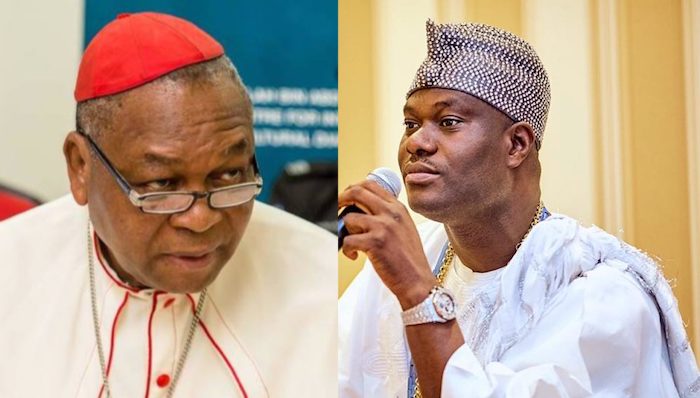

The Ooni of Ife, Oba Adeyeye Enitan Ogunwusi, and the Emeritus Catholic Bishop of Abuja, Cardinal John Onaiyekan, have both expressed their endorsement for the return of Nigeria to a parliamentary system of government. Their statements came during separate occasions in Abuja, where they voiced their support for proposed legislative changes aimed at restructuring Nigeria’s electoral processes.
During a visit by lawmakers led by the House Minority Leader, Hon Kingsley Chinda, and Hon Abdulsamad Dasuki, the Ooni of Ife commended the initiative, emphasizing the need for healthy competition among Nigeria’s six geopolitical zones. He praised the parliamentary system for its potential to unlock the country’s natural and human resources, citing the need to move away from the current presidential system, which he described as accidental.
Cardinal John Onaiyekan echoed similar sentiments during a policy dialogue on governance organized by the Abuja School of Social and Political Thought. He emphasized the importance of changing Nigeria’s governance structure to reduce corruption and bring government closer to the people. Onaiyekan advocated for a parliamentary system, citing its potential to minimize corruption and improve governance efficiency.
Both leaders highlighted the need for change in Nigeria’s governance framework, emphasizing the parliamentary system’s advantages in promoting accountability and reducing corruption. They called for a shift towards a governance model that prioritizes the welfare of citizens and ensures equitable distribution of resources.
Additionally, Dr. Akin Fapohunda of the pan-Yoruba socio-political organization, Afenifere, emphasized the importance of defining a clear process for restructuring Nigeria. He emphasized the need for transparent milestones and timelines to guide the restructuring process effectively.
Overall, the endorsements from the Ooni of Ife, Cardinal Onaiyekan, and other stakeholders reflect growing support for transitioning Nigeria to a parliamentary system of government. As discussions on governance reform continue, there is increasing recognition of the need for comprehensive changes to address Nigeria’s governance challenges and promote sustainable development.