
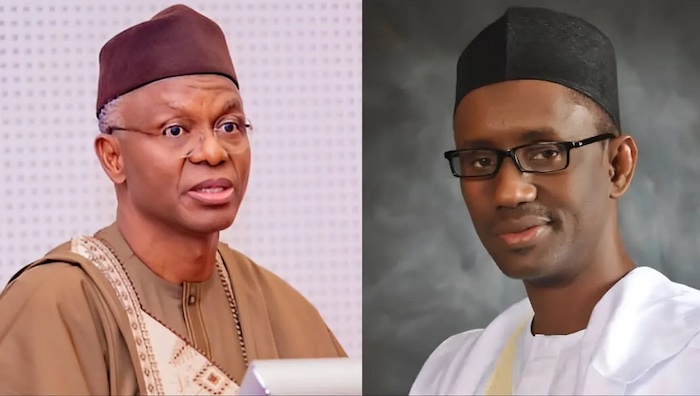

The DSS files charges against Nasir El-Rufai at the Federal High Court in Abuja, accusing the former Kaduna State governor of unlawfully intercepting phone communications belonging to the National Security Adviser, Nuhu Ribadu.
Court documents indicate that Department of State Services (DSS) initiated a three-count charge alleging violations of national security laws.
DSS Files Charges Against Nasir El-Rufai Over ARISE TV Remarks
According to prosecutors, Nasir El-Rufai admitted during a live television interview on Arise News on February 13 that he had knowledge of the alleged interception.
The DSS claims the action compromised public safety and national security, creating fear and uncertainty among citizens.
The development marks a significant escalation in tensions surrounding the former governor.
Alleged Breach of Cyber and Communications Laws
The charges cite breaches of the Cybercrimes (Amendment) Act 2024 and the Nigerian Communications Act 2003.
Prosecutors allege both direct involvement in the unlawful interception and failure to report individuals purportedly responsible.
Legal analysts note that the case could test enforcement thresholds under updated cybersecurity provisions and statutory surveillance restrictions.
National Security and Legal Implications
By filing the charges, the DSS argues that safeguarding telecommunications integrity remains critical to democratic stability.
The agency maintains that unauthorized interception undermines institutional credibility, privacy rights, digital security, constitutional safeguards, intelligence operations, public confidence, regulatory compliance, judicial oversight, and counterterrorism coordination.
As proceedings commence at the Federal High Court in Abuja, the outcome of the case will likely shape future interpretations of cybersecurity enforcement and accountability standards.
With the DSS files charges against Nasir El-Rufai case now before the court, attention will focus on how the judiciary balances national security claims with due process protections.