
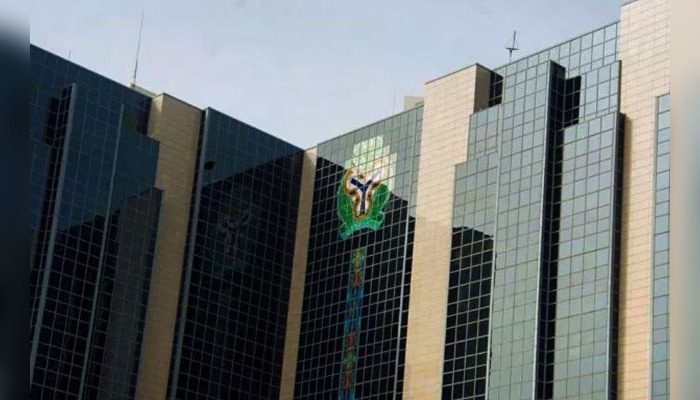

The Central Bank of Nigeria’s Monetary Policy Committee (MPC) is poised to reveal the outcome of its inaugural meeting under the leadership of CBN Governor, Mr. Olayemi Cardoso, on Tuesday. This meeting holds significance against the backdrop of Nigeria’s soaring inflation rate, currently standing at 29.90% as of January 2024, compounded by challenges in accessing foreign exchange which have driven up prices of essential commodities, including potable water.
The discussions at the meeting are expected to center on strategies to tackle inflation and chart the CBN’s course for the economy, with a keen eye on either attracting or dissuading foreign investors. Of particular importance will be Governor Cardoso’s opportunity to address public concerns regarding the adverse impacts of recent CBN policy measures aimed at recalibrating the economy.
The MPC’s previous meeting in July 2023 saw a 25 basis points increase in the benchmark interest rate to 18.75%, up from 18.50%. However, analysts anticipate a further hike in the Monetary Policy Rate (MPR) considering the role of increased money supply in driving inflation, particularly food inflation. Such an increase would inevitably exacerbate the already elevated cost of borrowing from commercial banks.
In contrast, Prof. Sheriffdeen Tella of Olabisi Onabanjo University advocates for maintaining the current borrowing rate, emphasizing the imperative of stabilizing the exchange rate regime to address inflationary pressures. He argues against tightening credit or reserve requirements, suggesting that leaving interest rates unchanged while focusing on exchange rate stability would be more beneficial. Tella highlights ongoing government interventions and calls for a wait-and-see approach to their impact on the economy.
As the MPC deliberates, balancing the need to curb inflation against fostering economic growth remains paramount, with careful consideration required to navigate Nigeria’s complex economic landscape.