
• About Us
  • Home
Friday, March 13, 2026
Shaka Momodu
  • Right Of Reply
  • News
  • Politics
  • Business
  • OpEds
  • Sports
No Result
View All Result
  • Right Of Reply
  • News
  • Politics
  • Business
  • OpEds
  • Sports
No Result
View All Result
Shaka Momodu
Home Business

Why CBN Prohibited The Use of Foreign Currency Collaterals for Naira Loans

by News Reporters
2 years ago
in Business, News
0 0
0
Why Central Bank of Nigeria Relaxed Cryptocurrency Transaction Restrictions
Share on FacebookShare on Twitter

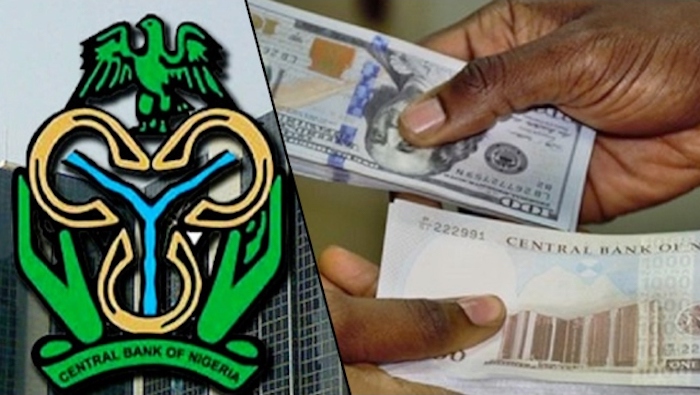
The Central Bank of Nigeria (CBN) recently issued a significant directive to all banks operating within the country, targeting the use of foreign currency as collateral for Naira-denominated loans. This directive aims to address a prevalent practice where customers leverage foreign currency assets to secure loans denominated in Naira.

Under the new directive, the CBN has imposed strict limitations on the utilization of foreign currency collaterals for Naira loans, with only specific circumstances deemed acceptable. Notably, the exceptions include Eurobonds issued by the Federal Government of Nigeria and guarantees provided by foreign banks, such as Standby Letters of Credit.

Furthermore, the directive mandates that all existing loans secured with dollar-denominated collaterals be phased out within a stipulated timeframe of 90 days. Failure to comply with this directive will result in regulatory consequences, including the risk-weighting of such exposures at 150% for Capital Adequacy Ratio computation, along with other potential sanctions.

This directive, as outlined in a letter signed by the AG Director of the Banking Supervision Department, Dr. Adetona Adedeji, underscores the CBN’s commitment to ensuring regulatory compliance and stability within the banking sector. It serves as a proactive measure to safeguard the interests of customers and maintain overall financial stability within the Nigerian banking industry.

In light of this directive, banks are strongly encouraged to promptly initiate actions to ensure full compliance. Additionally, they are advised to seek clarification or assistance from regulatory authorities as needed to ensure seamless implementation of the new regulations.

Previous Post

Former Edo Deputy Governor Philip Shaibu Denounces Impeachment, Calls it Threat to Democracy

Next Post

Governor Obaseki Swiftly Appoints Omobayo Godwins as Deputy Governor Amid Shaibu’s Impeachment Crisis

Next Post
Governor Obaseki Swiftly Appoints Omobayo Godwins as Deputy Governor Amid Shaibu’s Impeachment Crisis

Governor Obaseki Swiftly Appoints Omobayo Godwins as Deputy Governor Amid Shaibu's Impeachment Crisis

Leave a Reply Cancel reply

Your email address will not be published. Required fields are marked *

RSS Some News Around

  • Ireti Kingibe Has Not Been Suspended,  ADC Dismisses Reports
  • Every Lagos Resident Must File Annual Tax Returns Before March 31, LIRS Says
  • Nigerians to Face Persistent Blackout as Gas Suppliers Vow to Halt Supply over N3.3tn Debt
  • PDP Crisis: We’ll Reconcile with Wike Faction, Turaki Camp Says
  • Akpabio Reveals Why Senate Did Not Ask Taiwo Oyedele to Take a Bow 
  • Shaibu Calls for Ban on Political, Religious Activities at National Stadiums
  • Anthony Joshua’s Uncle Confirms Boxer’s Move to Dubai
  • Alleged Cyberstalking: Court Threatens to Revoke Sowore’s Bail
  • 2026 Convention: APC Protocol Sub-Committee Holds Inaugural Meeting, Inspects Eagle Square
  • 2027: Tambuwal Dumps PDP for ADC ‘over Internal Crisis’
  • About Us
  • Home

© 2022 THIS REPUBLIC By Shaka Momodu

No Result
View All Result
  • Right Of Reply
  • News
  • Politics
  • Business
  • OpEds
  • Sports

© 2022 THIS REPUBLIC By Shaka Momodu

Welcome Back!

Login to your account below

Forgotten Password?

Retrieve your password

Please enter your username or email address to reset your password.

Log In
Go to mobile version