

Abuja, Nigeria – May 2025
The Federal Government of Nigeria has commenced high-level negotiations with power Generation Companies (Gencos) to resolve the crippling ₦4 trillion debt threatening to collapse the country’s power sector.
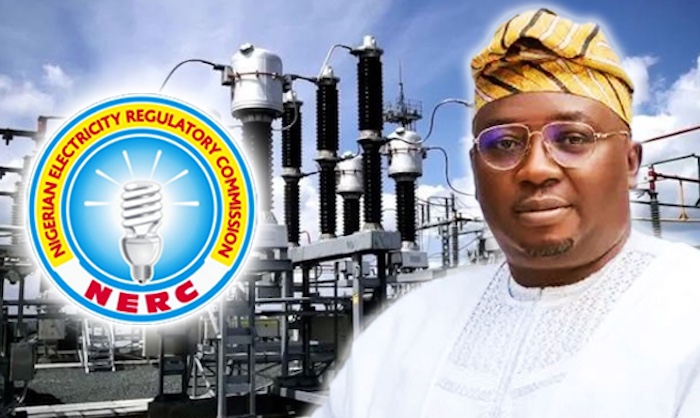
According to a statement from Bolaji Tunji, Special Adviser on Strategic Communications to the Minister of Power, Chief Adebayo Adelabu, the debt settlement talks are designed to stabilize Nigeria’s fragile electricity supply system and prevent further disruption.
During a critical meeting held in Abuja with Gencos’ executives, Adelabu assured the companies that government will immediately prioritize payment of a substantial portion of the outstanding debt. The balance, he said, will be managed through promissory notes and other debt instruments within a six-month period.
“We must pay part in cash and settle the rest using structured instruments,” Adelabu said, adding that a proposed meeting between President Bola Tinubu and Gencos’ leadership will further advance the resolution strategy.
The minister acknowledged that decades of financial mismanagement, subsidy burdens, and policy inconsistencies have eroded investor confidence and infrastructure stability in the power sector. He stressed the urgency of full sector liberalisation and the need for cost-reflective electricity tariffs, while assuring continued subsidies for Nigeria’s most vulnerable.
Col. Sani Bello, Chairman of Mainstream Energy Solutions and head of the Association of Power Generating Companies (APGC), described the situation as a “critical emergency,” warning that liquidity constraints are pushing Gencos to the brink of operational shutdown.
“Without urgent government action, the entire electricity value chain could collapse,” Bello warned.
Also present at the meeting was Kola Adesina, Chairman of Egbin Power and First Independent Power Limited, who emphasized the broader impact of power failure on homes, hospitals, and industries across the nation.
APGC CEO Dr. Joy Ogaji cited multiple systemic challenges—including erratic gas supply, forex instability, and unsustainable maintenance costs due to the naira’s depreciation from ₦157/$1 in 2013 to ₦1,600/$1.
“Despite enormous operational risks, Gencos have remained patriotic,” she said.
Adelabu concluded by outlining the government’s broader power sector reforms, which include regulatory reviews to lower levies and increase market efficiency. He also called for joint advocacy to educate Nigerians on electricity tariffs, energy efficiency, and sustainable usage.