
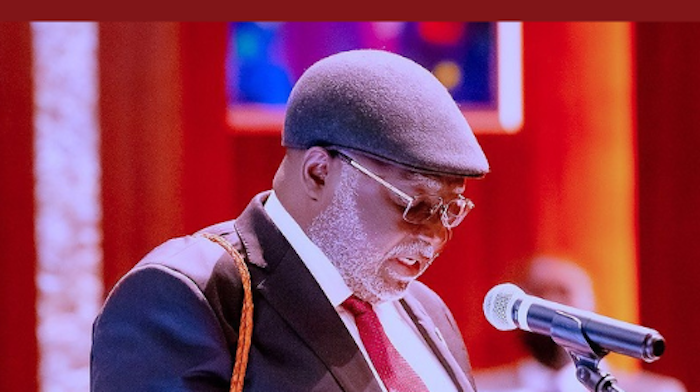
On Monday, Chief Justice of the Federation and Chairman of the National Judicial Council, Olukayode Ariwoola, emphasized the urgent need to increase the salaries, allowances, and official benefits of judges. He warned that without such increases, Nigerians would continue to suffer from an underfunded judiciary system.
This call for improved judicial compensation coincides with the support of key stakeholders for a bill proposed by the National Assembly. The bill aims to increase the salaries and allowances of judicial office holders by 300 percent. The public hearing for this bill, organized by the Senate Committee on Judiciary, Human Rights, and Legal Matters, saw contributions from various high-profile figures, including the Attorney General and Minister of Justice, Lateef Fagbemi (SAN); President of the Nigeria Bar Association, Yakubu Maikyau; Minister of Finance and Coordinating Minister of the Economy, Wale Edun; and several senators.
Represented by Justice Kashim Zannah, Chief Judge of Borno State, Ariwoola highlighted that judges’ salaries were last reviewed in 2007. Since then, there has been a significant depreciation in purchasing power, exacerbating the financial challenges faced by judicial officers. He pointed out the stark contrast between the exchange rate at the time of the last salary review and today’s rate, illustrating the drastic reduction in real income for judges.
Ariwoola compared the current situation of the judiciary to a patient in intensive care needing urgent attention. He argued that adequately compensating judges would not only enhance their performance but also benefit the broader citizenry by ensuring a more effective judiciary.
Finance Minister Wale Edun supported the proposed salary increase, underscoring the need to improve judicial officers’ compensation to ensure a speedy administration of justice. He expressed confidence in President Bola Tinubu’s commitment to enhancing the judiciary, drawing on Tinubu’s legacy of improving judicial standards during his tenure in Lagos.
Attorney General Lateef Fagbemi highlighted that the proposed 300 percent increase aligns with current economic realities, including rising inflation. He noted that President Tinubu had approved the unprecedented increment in response to recommendations aimed at promoting judicial independence and efficiency.
The proposed bill, if passed, will address the long-standing issue of stagnant judicial salaries and contribute to better working conditions for judges. This move is expected to enhance the judiciary’s capacity, independence, and public confidence, thereby promoting socio-economic growth in Nigeria.


