
• About Us
  • Home
Saturday, March 14, 2026
Shaka Momodu
  • Right Of Reply
  • News
  • Politics
  • Business
  • OpEds
  • Sports
No Result
View All Result
  • Right Of Reply
  • News
  • Politics
  • Business
  • OpEds
  • Sports
No Result
View All Result
Shaka Momodu
Home Business

Debt Management Office Warns FG On Nigeria’s Debt Ceiling

by News Reporters
3 years ago
in Business, News
0 0
0
Debt Management Office (DMO)
Share on FacebookShare on Twitter

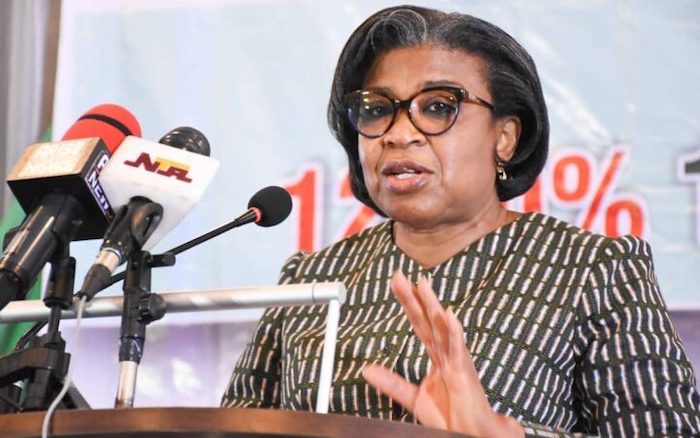
The Debt Management Office (DMO) has issued a warning to the Federal Government of Nigeria against further borrowing, stating that 73.5% of the revenue generated this year will be used to service debt. The DMO expressed concern that the projected Debt Service-to-Revenue ratio of 73.5% for 2023 is high and poses a threat to debt sustainability. Consequently, the DMO advised the government to focus on increasing revenue generation.

The DMO’s analysis of the nation’s debt profile in 2022 also revealed that the Total Public Debt-to-GDP ratio is projected to increase to 37.1% in 2023, compared to 23.4% as of September 2022. This increase is attributed to new borrowings of N8.80 trillion planned for 2023, FGN Ways and Means at the Central Bank of Nigeria (CBN) amounting to over N23 trillion, and estimated Promissory Notes issuance of N2.87 trillion.

The DMO’s recommendations to the government include the need to adhere to existing legislation on government borrowing, such as the Fiscal Responsibility Act 2007 and the Central Bank of Nigeria Act 2007, in order to moderate the growth rate of public debt. They also emphasize the importance of revenue generation through initiatives and reforms, encouraging private sector participation in infrastructure projects through Public-Private Partnerships (PPP), and reducing borrowing through privatization or the sale of government assets.

In summary, the DMO has cautioned against additional borrowing due to the high Debt Service-to-Revenue ratio and has advised the government to focus on increasing revenue generation and exploring alternative sources of funding for infrastructure projects.

Previous Post

How Lagos State, Nigeria’s economic Centre Became the Fourth Worst City to Live in the World.

Next Post

Reinstated Kano State Anti-Corruption Commission Scribe Goes after Ex-Gov. Ganduje

Next Post
Reinstated Kano State Anti-Corruption Commission Scribe Goes after Ex-Gov. Ganduje

Reinstated Kano State Anti-Corruption Commission Scribe Goes after Ex-Gov. Ganduje

Leave a Reply Cancel reply

Your email address will not be published. Required fields are marked *

RSS Some News Around

  • 2 ADC Ward EXCOs Pray Court to Stop Senator Kingibe from Parading Self as Party Member
  • WPRF: NIPR Confirms NTA Host Broadcast Television
  • 2 More Iranian Footballers Pull Out of Australia Asylum Bids
  • Son of Ousted Shah Says Ready for Iran Transition ‘Under my Leadership’
  • Manchester City will fight for all titles until end, says Guardiola
  • Lagos Resumes Monthly Environmental Sanitation April 25
  • NDPC Warns Content Creators Against Unauthorised Filming of Citizens; Threatens to Sanction Defaulters
  • OBITUARY | Henry Nwosu, Ex-Nigerian International, Dies at 62
  • Nigerian Actor, Ereke Ni Shop D!es in Lagos
  • Aviation Minister, Keyamo Suspends VIP Privileges at Nigerian Airport Toll Gates
  • About Us
  • Home

© 2022 THIS REPUBLIC By Shaka Momodu

No Result
View All Result
  • Right Of Reply
  • News
  • Politics
  • Business
  • OpEds
  • Sports

© 2022 THIS REPUBLIC By Shaka Momodu

Welcome Back!

Login to your account below

Forgotten Password?

Retrieve your password

Please enter your username or email address to reset your password.

Log In
Go to mobile version