
• About Us
  • Home
Wednesday, February 18, 2026
Shaka Momodu
  • Right Of Reply
  • News
  • Politics
  • Business
  • OpEds
  • Sports
No Result
View All Result
  • Right Of Reply
  • News
  • Politics
  • Business
  • OpEds
  • Sports
No Result
View All Result
Shaka Momodu
Home Business

Why NEITI Wants to a Conduct Study to Accurately Assess Fuel Consumption in Nigeria

by News Reporters
3 years ago
in Business, News
0 0
0
Why NEITI Wants to a Conduct Study to Accurately Assess Fuel Consumption in Nigeria
Share on FacebookShare on Twitter

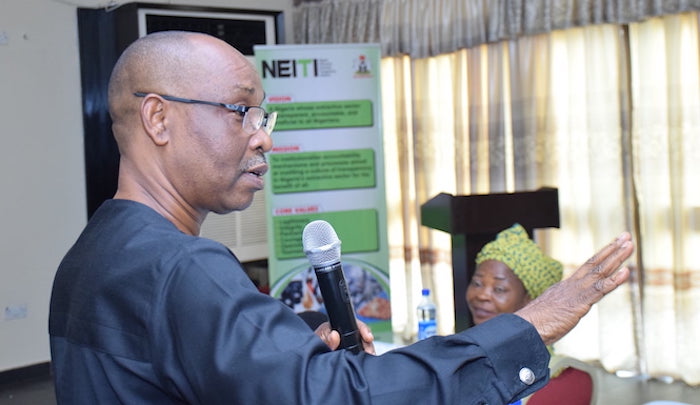
According to the Nigerian Extractives Industries Transparency Initiative (NEITI), there is currently no credible data available to determine the daily consumption of petrol in Nigeria. Orji Ogbonnaya, the executive secretary of NEITI, announced that the agency will conduct a study to accurately assess fuel consumption in the country.

The issue of Nigeria’s daily petrol consumption has been a subject of uncertainty. In 2022, the Nigerian National Petroleum Company (NNPC) Limited claimed that Nigerians consume 60 million liters of petrol daily. However, this figure was contested by the Nigerian Customs Service (NCS), which asserted that the national oil firm actually releases 98 million liters into the market each day.

On June 1, 2023, Mele Kyari, the group chief executive officer (GCEO) of NNPC, concluded that there is no credible data to determine the daily consumption of petrol in Nigeria. In light of this, Ogbonnaya emphasized the importance of obtaining an empirical figure during a stakeholders forum.

NEITI believes that the figures currently presented for daily petrol consumption in Nigeria are not accurate. Therefore, the agency is commissioning a study to determine the actual consumption of petrol in the country. Ogbonnaya also highlighted that the removal of fuel subsidies will lead to greater transparency in the oil sector, removing opacity and suspicion in budgeting.

NEITI has long advocated for the removal of fuel subsidies, and now that it has been eliminated, the agency expects greater transparency and accountability in the management of oil and gas revenues. Ogbonnaya expressed the need to sustain the policy shift and establish a robust framework that demonstrates a clear departure from the previous subsidy system. He emphasized that Nigerians want to see tangible changes resulting from the removal of subsidies, as subsidies have hindered transparency and accountability in the oil and gas industry over the years.

Previous Post

I am Not an Enemy of President Tinubu, He Has Shown Greater Maturity -Chief Bode George

Next Post

Why NDLEA and NAFDAC Was Exempted from President Tinubu’s Dissolution of Boards

Next Post
Why NDLEA and NAFDAC Was Exempted from President Tinubu’s Dissolution of Boards

Why NDLEA and NAFDAC Was Exempted from President Tinubu's Dissolution of Boards

Leave a Reply Cancel reply

Your email address will not be published. Required fields are marked *

RSS Some News Around

  • JUST IN: Tinubu Signs Electoral Bill into Law
  • 2027: Details of Senate’s Dramatic Tuesday Plenary over Election Date, Electronic Transmission
  • Panic in Anambra as Fire Guts Nnewi Electrical Market
  • Philippine VP Sara Duterte Announces 2028 Presidential Bid
  • Namibia Keeps Repo Rate Unchanged at 6.5%
  • There Will Be No Extension for 2026 UTME Registration, JAMB Declares
  • How Thugs Broke into Ondo APC Secretariat, Assault Chairman, NDDC Commissioner, Others
  • Electronic Transmission of Results is Mandatory, House of Reps Spokesman Insists
  • Electoral Act: Senate Retains Manual Backup for Result Transmission
  • ₦432 Billion Probe: Nasir El-Rufai Spends Second Night with EFCC as DSS Files Fresh Charge
  • About Us
  • Home

© 2022 THIS REPUBLIC By Shaka Momodu

No Result
View All Result
  • Right Of Reply
  • News
  • Politics
  • Business
  • OpEds
  • Sports

© 2022 THIS REPUBLIC By Shaka Momodu

Welcome Back!

Login to your account below

Forgotten Password?

Retrieve your password

Please enter your username or email address to reset your password.

Log In
Go to mobile version