
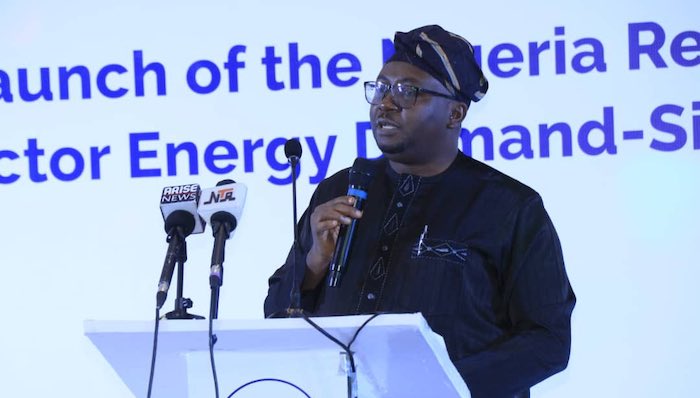
Nigeria’s Minister of Power, Chief Adebayo Adelabu, disclosed that the federal government carried over more than N350 billion in electricity subsidy debts from 2023 to 2024, placing a strain on its finances. In an interview, he acknowledged the hardship faced by Nigerians, highlighting that the latest tariff hike affected only 15 percent of power consumers. Despite this, the government continues to subsidize electricity for consumers outside Band A supply level, amounting to about N1.8 trillion this year.
Adelabu defended the legality of the tariff adjustment, stating that it falls within the exclusive responsibility of the Nigerian Electricity Regulatory Commission (NERC) and is provided for in the Act, allowing for biannual reviews every six months. He attributed the tariff increase to factors such as the rising dollar value, increasing gas prices, and infrastructure costs in power generation, transmission, and distribution.
The minister explained that retaining tariffs at the current level would require about N2.9 trillion in subsidies. However, with the increase in tariffs for Band A customers, the subsidy is expected to reduce by about N1.1 trillion, resulting in a total subsidy of about N1.7 trillion to N1.8 trillion. Adelabu clarified that the government bears 67 percent of the overall production, transmission, and distribution costs and pays approximately 90 percent of the generation cost incurred by power plants.
He assured that premium customers would receive enhanced power supply, while other bands would not be short-changed by distribution companies. Adelabu expressed optimism that improvements in the sector’s efficiency and the strengthening of the naira against the dollar would moderate tariffs. He apologized for any offensive remarks made previously, clarifying that his intention was to provide advice on energy consumption management rather than insult Nigerians’ sensibilities.
Adelabu’s remarks underscore the complexities of managing electricity subsidies and tariffs in Nigeria’s power sector amid economic challenges and the need for efficient energy consumption practices.


