
• About Us
  • Home
Wednesday, July 15, 2026
Shaka Momodu
  • Right Of Reply
  • News
  • Politics
  • Business
  • OpEds
  • Sports
No Result
View All Result
  • Right Of Reply
  • News
  • Politics
  • Business
  • OpEds
  • Sports
No Result
View All Result
Shaka Momodu
Home Business

As Naira Depreciates further, CBN Issues Revised Guidelines for International Money Transfer Services

by News Reporters
2 years ago
in Business, News
0 0
0
CBN Unified Foreign Exchange Market
Share on FacebookShare on Twitter

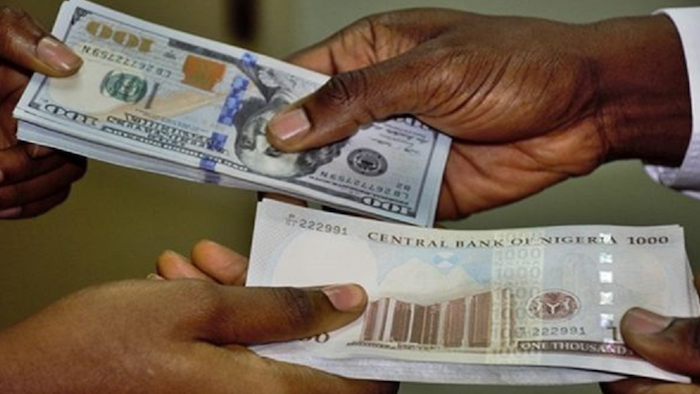
The recent reforms by the Central Bank of Nigeria (CBN) have garnered a positive response from the market, leading to several notable developments. Firstly, the Naira appreciated by 13.3 percent on the parallel market, closing at N1,350 to the Dollar, indicating growing confidence in the official FX market. Despite this positive movement, the Naira still exceeded the parallel market price, closing at N1,461.90/$ at the official Nigerian Autonomous Foreign Exchange (NAFEX), albeit with a marginal decline.

Deposit Money Banks (DMBs) have begun taking steps to comply with the CBN’s directive for swift repatriation of export proceeds into export domiciliary accounts. Guidelines stipulate that proceeds should be repatriated within 90 days of shipment, supported by relevant documentation.

Moreover, the CBN issued revised guidelines for International Money Transfer Services (IMTO) in Nigeria, setting stringent requirements for prospective operators, including a minimum share capital of $1 million and a non-refundable application fee of N10 million. These reforms aim to enhance transparency, boost diaspora remittances, and promote efficient market-determined exchange rates.

Under the new framework, IMTOs must adhere to Anti-Money Laundering (AML), Combating Financing of Terrorism (CFT), and Countering Proliferation Financing (CPF) obligations. Additionally, banks are prohibited from operating IMTO services directly but can act as agents, while fintech companies are excluded from obtaining IMTO approval.

Overall, these reforms are designed to improve the ease of doing business for IMTOs, strengthen regulatory oversight, and facilitate transparent and efficient international money transfers.

Previous Post

Shell to Continue Environmental Remediation Responsibilities After Onshore Oil Assets Sale

Next Post

Why Passing NiHFS Bill into Law is Crucial In Curbing Security Challenges in Nigeria -Emir of Borgu

Next Post
Why Passing NiHFS Bill into Law is Crucial In Curbing Security Challenges in Nigeria -Emir of Borgu

Why Passing NiHFS Bill into Law is Crucial In Curbing Security Challenges in Nigeria -Emir of Borgu

Leave a Reply Cancel reply

Your email address will not be published. Required fields are marked *

RSS Some News Around

  • PFIPC Scandal: We’ll Report Adeyemi’s Arrest to Trump, Says US Firm
  • OPINION | A Rescue Line that Beats South Africa’s Xenophobic Storm, By Patrick Akhere Ebojele 
  • Livestock: ABIS Digital Market Place as Panacea to Inefficacies in Distribution
  • Boost for Nigerian Content as Shell Awards $518m Contracts in 2025
  • Trump Pays $5m to Writer for Assault, Defamation
  • Dangote Refinery: Some Depot Owners Increase Petrol Price after Hike Crude Cost
  • House of Reps Withdraws own State Police Bill 
  • JUST IN: PFIPC Scandal: Court Orders Arrest of Adeniyi Adeyemi
  • Presidency Faults Makinde’s UN Probe Call Over Oyo School Abduction
  • Residents Flee as Suspected Herdsmen Attack Another Community in Benue
  • About Us
  • Home

© 2022 THIS REPUBLIC By Shaka Momodu

Welcome Back!

Login to your account below

Forgotten Password?

Retrieve your password

Please enter your username or email address to reset your password.

Log In
No Result
View All Result
  • Right Of Reply
  • News
  • Politics
  • Business
  • OpEds
  • Sports

© 2022 THIS REPUBLIC By Shaka Momodu

Go to mobile version